


Want to turn any audio or video into clean, readable text? Learning how to get a transcript is the fastest way to capture every spoken word without touching a keyboard, and in 2026 it takes minutes instead of hours. Video Transcriber AI makes it easy to how to get a transcript from virtually any recording, and this guide walks you through the whole process step by step.
What Is a Transcript and Why You Need One
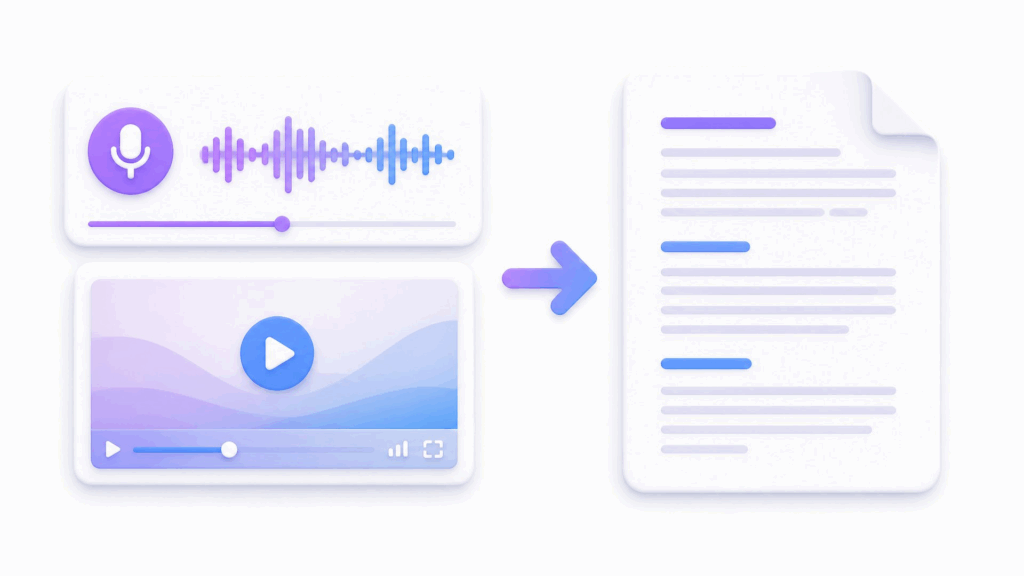
A transcript is a written, word-for-word record of everything said in an audio or video file. When someone asks how to get a transcript, they usually mean converting a recording into text they can read, search, edit, and share. Video Transcriber AI handles this automatically using speech recognition, so you never have to type out a single line by hand. If you have a recording sitting around, learning how to get a transcript is the single most useful skill for putting it to work.
What Counts as a Transcript
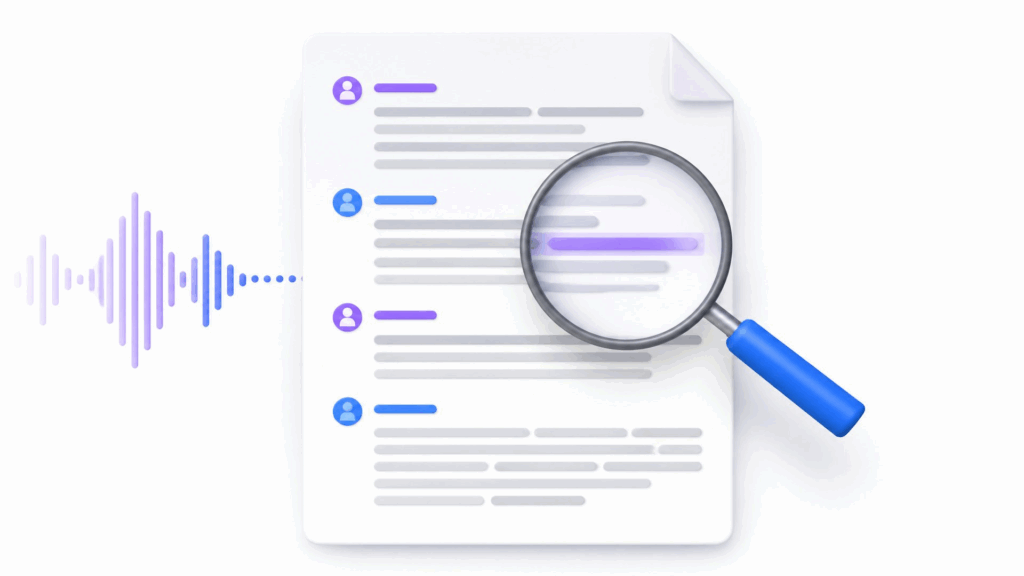
A transcript can take a few forms, but all of them come from the same idea: turning speech into text. A full verbatim version captures every word, pause, and filler. A cleaned-up version removes "um," "uh," and false starts so the text reads smoothly. Either way, the first step is the same: figure out how to get a transcript from your file, then refine it to match your needs. For most people, the goal is simple: learn how to get a transcript that is accurate enough to use without heavy editing.
Transcript vs. Captions vs. Subtitles: The Difference
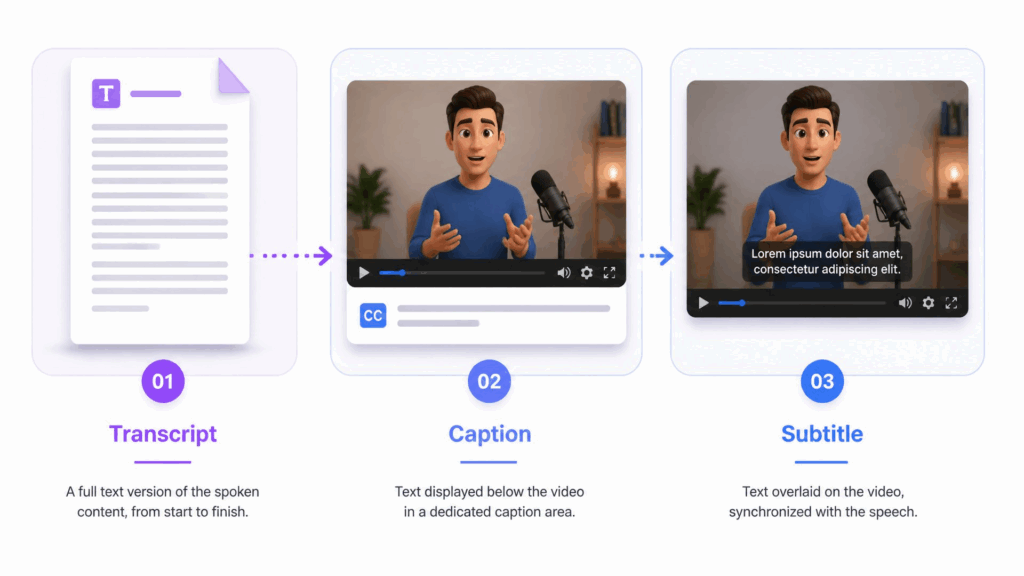
These three terms get mixed up all the time, and the difference matters. Captions and subtitles are time-synced lines designed to be read while the video plays. A transcript is the complete text document itself. If you need the full written record to repurpose, search, or quote from, then how to get a transcript is the question you should be answering, and a dedicated tool like Video Transcriber AI gives you that document in one pass. That is why knowing how to get a transcript, rather than just adding captions, matters for creators and teams.
Why Getting a Transcript Is Worth It in 2026
There are plenty of reasons to learn how to get a transcript this year, and they all come back to one thing: time. Manually transcribing even a 30-minute recording can eat up an entire afternoon. Video Transcriber AI does it in minutes, so the value is immediate.
Save Hours of Manual Typing
Pause, rewind, type, repeat. That is the old way, and nobody has time for it. Once you know how to get a transcript with an AI tool, you stop trading your time for keystrokes. Upload the file, let the tool do the work, and spend those saved hours on the parts of your job that actually need a human.
Make Content Searchable and Repurposable
Text is far more useful than audio because you can search it, quote it, and reshape it. A podcast episode becomes a blog post. A meeting recording becomes an action-item list. A webinar becomes a lead magnet. Every one of those repurposing wins starts with the same move: learning how to how to get a transcript out of your raw recording.
Improve Accessibility and Reach
Not everyone can listen to audio. Providing a written version makes your content accessible to more people and, just as importantly, more discoverable through search. When you make it simple to how to get a transcript from every recording you publish, you widen your audience without any extra production cost.
Stay Organized and Shareable
A single transcript can be shared with a whole team in seconds, quoted in reports, and stored as a searchable record of what was said. Instead of replaying a long recording to find one detail, you search the text. Once how to get a transcript becomes a habit, your notes stay consistent and easy to hand off, and everyone stays on the same page without another meeting. That kind of organization is exactly what makes how to get a transcript worth a few minutes of your day.
How to Get a Transcript: Step-by-Step Guide with Video Transcriber AI
Now for the practical part. The entire how to get a transcript process with Video Transcriber AI comes down to five simple steps, and you can finish all of them before your coffee cools.
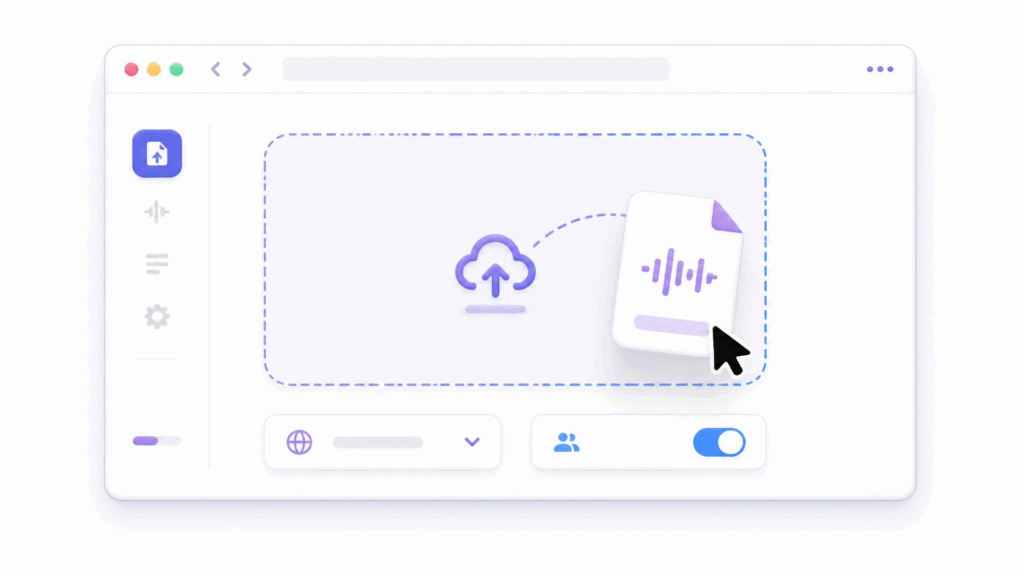
Step 1: Open Video Transcriber AI and Upload Your File
Start by opening Video Transcriber AI in your browser. Drag and drop your audio or video file into the upload area, or paste a link if your recording is already hosted online. The tool accepts the most common formats, so the first step in how to get a transcript is rarely a hurdle. From there, learning how to get a transcript takes only a couple of clicks.
Step 2: Pick Your Language and Transcription Settings
Before the AI starts, choose the language spoken in your recording. If you are working with an interview or a multi-person meeting, switch on speaker detection so each voice is labeled separately. These small settings make a big difference in how clean your final text is, and they are part of what makes how to get a transcript this straightforward. Get these two choices right and how to get a transcript becomes nearly automatic.
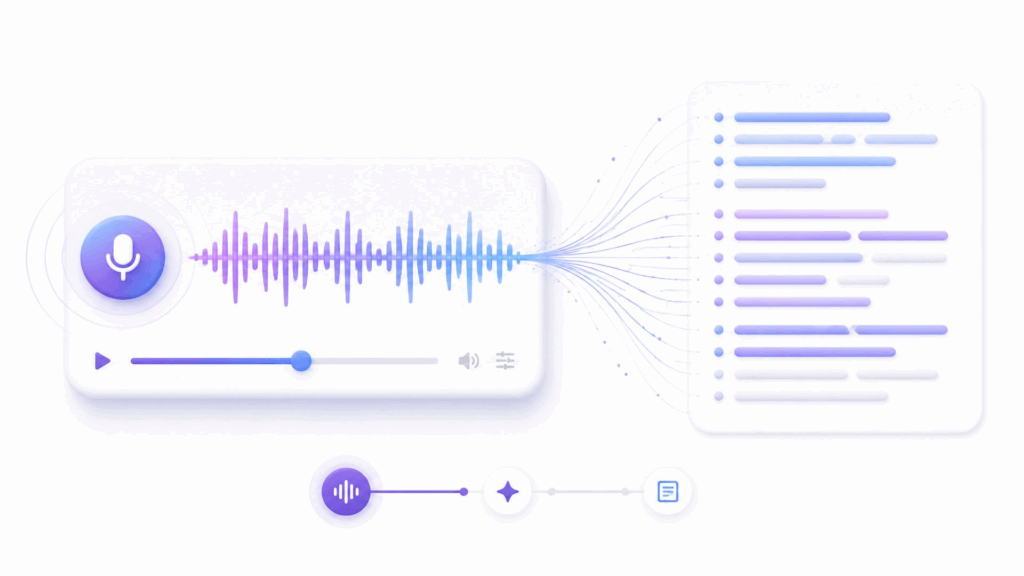
Step 3: Let the AI Generate Your Transcript
Hit the transcribe button and let Video Transcriber AI work. The speech recognition engine listens through the file and produces a full written transcript in moments. This is the step where the old hours of manual work vanish, and it is the core of why knowing how to get a transcript no longer requires a professional service. This is also the moment most people realize how to get a transcript can actually be pleasant.
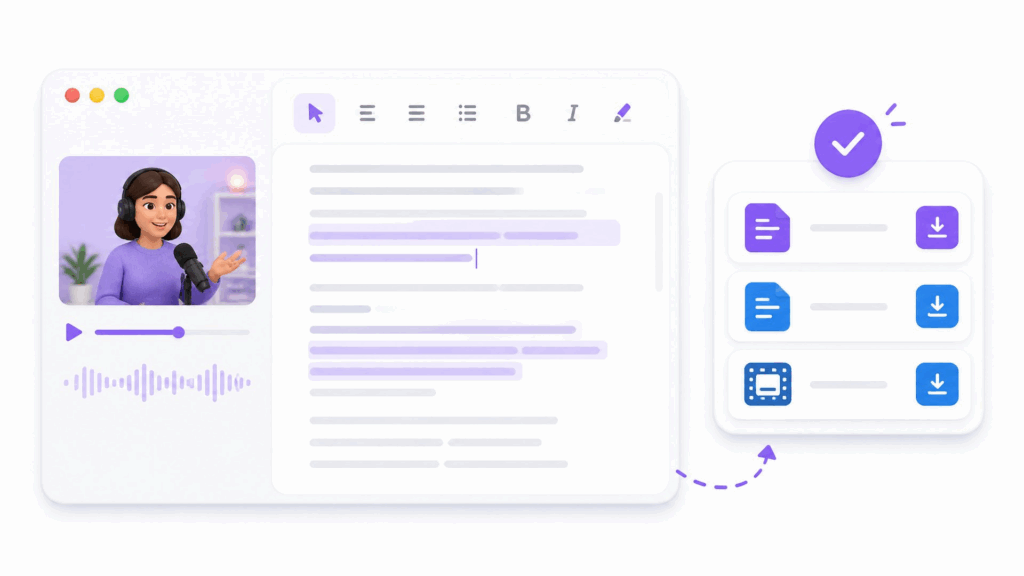
Step 4: Review and Edit the Transcript
No transcript is perfect on the first pass, so give the text a quick read-through. Fix any word the AI misheard, add punctuation, and tidy up speaker labels. Video Transcriber AI gives you an inline editor, so you can polish everything in the same window instead of copying the text elsewhere. This review step is the difference between a rough how to get a transcript and a polished final draft you can publish with confidence.
Step 5: Export or Share Your Transcript
Once you are happy with the text, export it in the format you need: plain text, a document, or a subtitle file for video. You can also copy it straight to the clipboard. However you choose to pull it out, the final step in how to get a transcript is simply deciding where the finished text goes next. That freedom to pick your format is one more reason how to get a transcript feels so effortless.
Pro Tips for Better Transcripts with Video Transcriber AI
Knowing how to get a transcript is one thing; getting a clean one every time is another. These three tips will lift your accuracy and keep your workflow smooth.
Tip 1: Upload Cleaner Audio for Higher Accuracy
The quality of the source recording is the biggest lever you control. Record in a quiet room, keep the microphone close to the speaker, and avoid background music when possible. The clearer the audio, the fewer edits you will make afterward, and the faster the whole how to get a transcript process becomes.
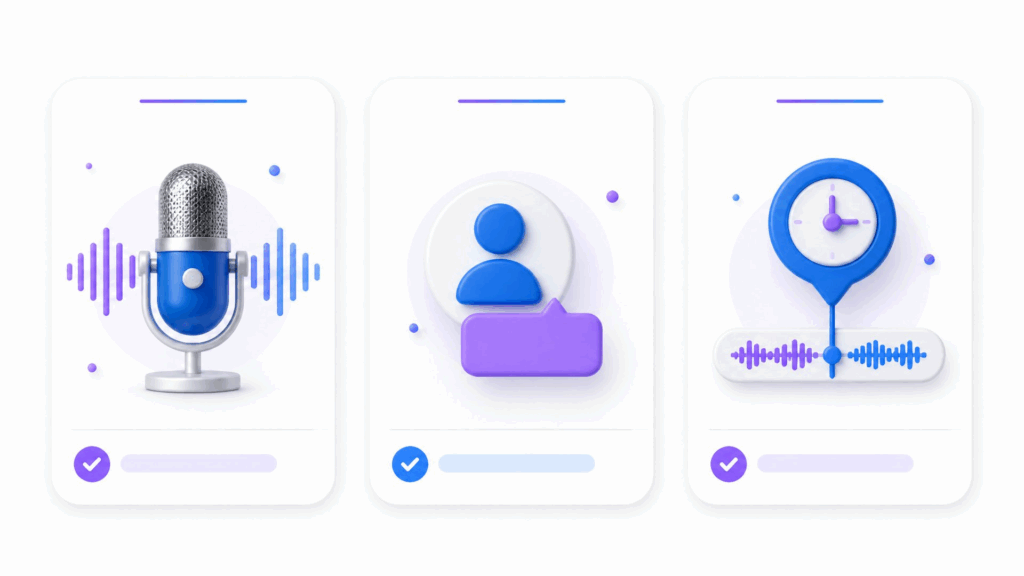
Tip 2: Use Speaker Labels for Interviews and Meetings
If more than one person is talking, turn on speaker detection before you transcribe. It marks each line with the speaker who said it, which saves you from guessing later. This is one of the easiest ways to make how to get a transcript more useful for interviews, podcasts, and team calls.
Tip 3: Edit with Timestamps to Keep Everything Organized
Timestamps tie every line back to a moment in the recording, which is invaluable when you need to find a quote fast. Keep them on while you edit, and you can jump straight to any point in the audio. It is a small habit that makes the entire how to get a transcript workflow feel effortless.
Real-World Examples: How People Get Transcripts with Video Transcriber AI
The best way to understand the value is to see it in action. Here are two common scenarios where people use Video Transcriber AI to how to get a transcript and turn raw recordings into real assets.
Example 1: Turning a Podcast Episode into a Blog Post
A podcaster records a 45-minute episode and wants a written version for their site. They upload the audio to Video Transcriber AI, get the full transcript in minutes, then edit it into a readable article. The episode reaches a new audience in text form, and the podcaster never had to type out 8,000 words. That is how to get a transcript working for your content strategy.
Example 2: Transcribing Meeting Recordings for Team Notes
A project manager records a weekly standup so nobody has to scribble notes during the call. After the meeting, they run the recording through Video Transcriber AI and share the transcript with the team. Action items are clear, decisions are documented, and anyone who missed the call can catch up in seconds. For busy teams, knowing how to get a transcript is quietly one of the highest-leverage habits you can adopt.
Frequently Asked Questions About Getting a Transcript
How accurate is Video Transcriber AI's transcript output?
Accuracy depends mostly on audio quality. With clear audio and a single speaker, the output is consistently reliable, and the inline editor makes it easy to fix the few words that slip through. Good source audio is the biggest factor in how to get a transcript that needs minimal cleanup.
What file formats can I upload to get a transcript?
Video Transcriber AI supports the common audio and video formats people actually use, including MP3, WAV, MP4, and more. If you have a file that plays normally, you can almost certainly upload it. This flexibility is part of why how to get a transcript has become a one-tool job.
How fast does it take to get a transcript?
For most recordings, the transcript appears in minutes, not hours. The processing time scales with the length of your file, but it is fast enough that you can upload, transcribe, and start editing within a single sitting. That speed is the whole point of learning how to get a transcript with an AI tool.
Can I get a transcript with timestamps and speaker labels?
Yes. Video Transcriber AI lets you enable speaker detection and timestamps before you start, so interviews and meetings come out already organized. If you have ever tried to untangle a multi-person conversation by hand, you will appreciate how much easier this makes how to get a transcript.
Conclusion: Start Getting Transcripts in Minutes
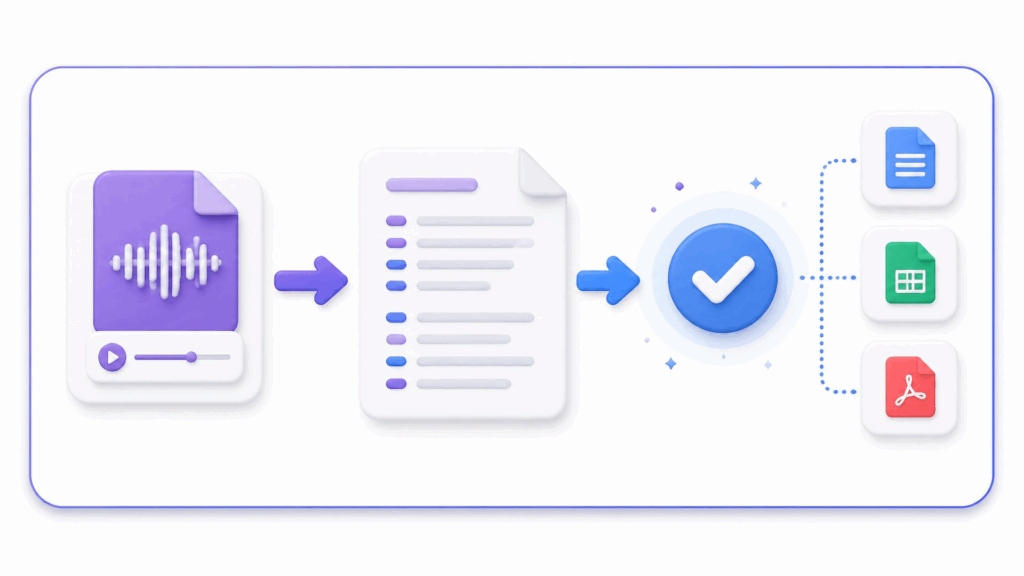
Learning how to get a transcript no longer means hiring someone or spending hours at a keyboard. With Video Transcriber AI, the whole process is upload, transcribe, review, and export, and it works for podcasts, meetings, interviews, webinars, and just about any recording you can think of. Once you see how to get a transcript work in practice, going back to manual typing feels unthinkable. Every podcaster, student, and team that figures out how to get a transcript this way stops treating recording cleanup as a weekend project.
If you have been putting off transcription because it sounded like a chore, stop waiting. Give yourself an afternoon back, make your content searchable, and open up your recordings to a bigger audience. The simplest way to start is to how to get a transcript right now and see how fast clean text appears on your screen. Once how to get a transcript is this easy, there is no reason to keep recordings trapped as audio.
Ready to turn your recordings into text? Open Video Transcriber AI and get your first transcript in minutes. It really is that simple, and once you try it, you will wonder why you waited to learn how to get a transcript in the first place. Learn how to get a transcript now, and every future recording is one click away from becoming text.